
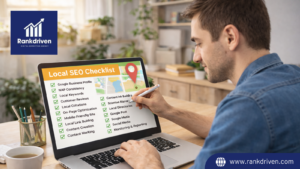
1. Optimize Your Google Business Profile (GBP)Your Google Business Profile is the cornerstone of local SEO. Ensure you:
- Claim and verify your listing.
- Add accurate business name, address, phone number (NAP).
- Select the right categories.
- Add business hours, website, and services.
- Upload high-quality images and videos.
Tip: Post updates and offers regularly to stay active.
2. Ensure NAP Consistency Across the WebYour Name, Address, and Phone number (NAP) should be identical on:
- Website
- Google Business Profile
- Social media platforms
- Local directories (Yelp, Yellow Pages, etc.)
Inconsistent NAP can confuse Google and hurt rankings.
3. Optimize for Local KeywordsTarget keywords with city or neighborhood modifiers, e.g.,:
- “Best pizza in Dallas”
- “Plumber near me in Brooklyn”
- Title tags
- Meta descriptions
- Headers
- Website content
- Create a separate page for each city or neighborhood.
- Include unique content, local testimonials, and Google Maps embeds.
- Title tags with city names
- H1 headings mentioning the location
- Internal linking to relevant pages
- Schema markup for local business
- Encourage customers to leave Google reviews.
- Respond to reviews (both positive and negative) promptly.
- Monitor and report fake or spam reviews.
- Yelp, TripAdvisor, Yellow Pages
- Local Chamber of Commerce
- Industry-specific directories
Ensure your NAP is consistent everywhere.
8. Optimize for MobileMost local searches happen on mobile devices. Ensure:
- Fast-loading website
- Mobile-friendly design
- Easy-to-click buttons and menus
- Your location
- Services
- Operating hours
- Reviews
11. Optimize Images for Local SEO
- Use descriptive file names (e.g., “plumber-brooklyn-service.jpg”)
- Add alt text with city keywords
- Compress images for faster load time
- Post updates, events, or promotions relevant to your city
- Engage with local groups and hashtags
- Share customer success stories
- Sponsor local events
- Collaborate with local bloggers
- Submit guest posts on city-specific blogs
- Google Analytics
- Google Search Console
- Local rank tracking tools
Identify which keywords and pages drive local traffic.
15. Keep Up With Local SEO TrendsLocal SEO is constantly evolving:
- Voice search is growing (“near me” queries)
- Mobile-first indexing is critical
- Google updates its local algorithm regularly
Stay updated and adapt your strategy.
Final ThoughtsDominating local search results isn’t a one-time effort—it’s ongoing. By following this 15-step local SEO checklist, your business can improve visibility, attract more customers, and grow in your city.