
Google’s AI Overviews and similar AI-powered search results are transforming how users find information online. Instead of clicking through multiple links, searchers now receive AI-generated summaries that synthesize information from various sources. For website owners and content creators, this raises an important question: how do you ensure your content gets cited in these AI-powered results?
The good news is that getting featured doesn’t require learning entirely new strategies. By focusing on quality, structure, and user intent, you can position your website to become a trusted source for AI search engines.
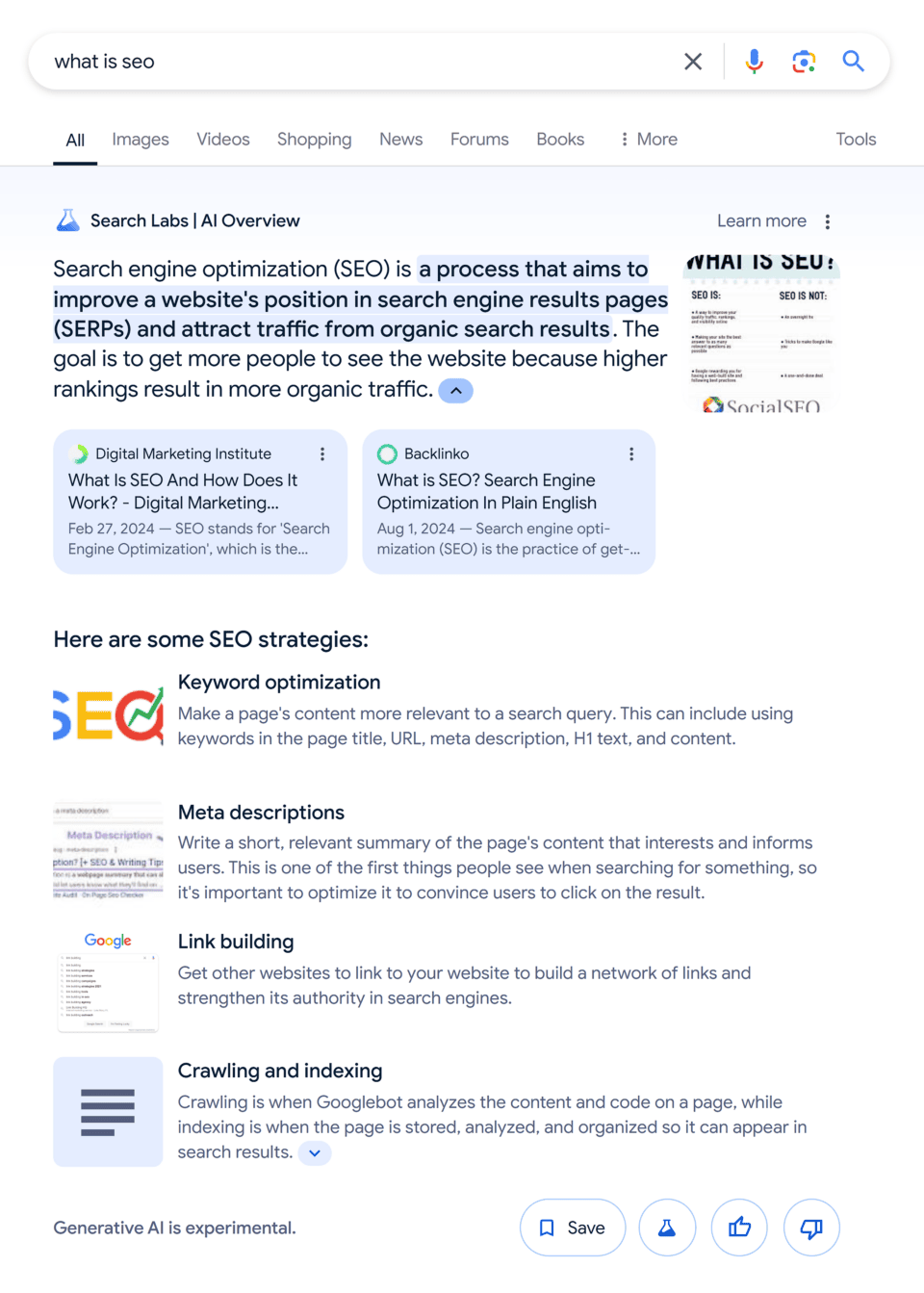
Understanding AI Overviews and AI Search Results
Before diving into optimization strategies, it’s important to understand what we’re dealing with. Google AI Overviews appear at the top of search results, providing quick answers synthesized from multiple sources. Similarly, AI tools like Gemini, Perplexity, and ChatGPT cite web sources when answering user queries.
These systems don’t just scrape keywords—they analyze content quality, context, relevance, and trustworthiness. Your goal is to create content that AI models recognize as authoritative and helpful.
10 Proven Strategies to Get Featured
1. Create Unique, High-Quality Content
The foundation of AI visibility is the same as traditional SEO: create genuinely valuable content. Google has made it clear that there are no special tricks or shortcuts. Focus on producing unique, non-commodity content that truly fulfills people’s needs rather than trying to game the system.
Ask yourself: Does this content offer something unique? Does it solve a real problem? Would someone find this genuinely helpful? If the answer is yes, you’re on the right track.
2. Answer Questions Directly and Early
One of the most effective techniques is front-loading your answers. Begin each article with a clear, concise summary that directly answers the primary query in 50 to 70 words. Use simple, accessible language that aligns with user intent.
Don’t make readers—or AI crawlers—dig through paragraphs of background information to find what they’re looking for. State your answer clearly in the opening, then provide supporting details and context in the body of your content.
For example, if someone searches “how to change a tire,” start with the exact steps before explaining why each step matters or providing additional tips.
3. Write in a Conversational, Natural Tone
AI models are trained on natural language and prefer content that sounds human and conversational. Write as if you’re explaining something to a friend rather than producing formal, academic prose.
This doesn’t mean being unprofessional—it means being clear, accessible, and easy to understand. Use contractions, ask rhetorical questions, and explain complex concepts in simple terms. This approach makes your content more likely to match how people phrase their queries and how AI systems generate responses.
4. Implement Strong Technical SEO Fundamentals
Good news: there are no additional technical requirements beyond standard SEO best practices. Ensure that:
- Your robots.txt file allows crawling
- Your site has proper internal linking
- Pages load quickly and are mobile-friendly
- You have a clear site structure
- Your content is easily indexable
These fundamentals make it easy for AI systems to discover, understand, and reference your content.
5. Build and Demonstrate E-E-A-T
E-E-A-T stands for Experience, Expertise, Authoritativeness, and Trustworthiness. This is especially critical for sensitive topics like health, legal matters, and finance, where AI systems increasingly cite only highly trusted sources.
Research shows that authoritative medical research centers account for 72% of AI Overview answers in healthcare queries. While you may not be a major institution, you can still demonstrate expertise by:
- Showcasing author credentials and qualifications
- Citing reputable sources and linking to authoritative research
- Updating content regularly to maintain accuracy
- Providing detailed, well-researched information
- Including author bios and contact information
6. Structure Your Content for Easy Parsing
AI systems need to quickly understand your content’s structure and extract relevant information. Help them by:
- Using clear, descriptive headings and subheadings (H1, H2, H3)
- Creating dedicated FAQ sections
- Formatting “how-to” guides as numbered or bulleted lists
- Adding schema markup to help search engines understand content type
- Including tables or comparison charts where appropriate
- Breaking up long paragraphs into scannable chunks
Well-structured content is easier for both humans and AI to digest and reference.
7. Target Question-Based and Longer Queries
AI Overviews are triggered more frequently for queries with three to four words than for shorter one- to two-word searches. Focus your content on:
- Question-based searches (who, what, where, when, why, how)
- Specific long-tail keywords
- Conversational queries people might ask
- Problem-solution oriented topics
For example, instead of just targeting “SEO tips,” aim for “how to improve SEO for small businesses” or “what are the best SEO practices for 2025.”
8. Build Topical Authority Through Content Clusters
Rather than creating isolated articles, develop comprehensive content clusters around core topics. Group related content by theme using internal links, create supporting pages that explore subtopics, and develop FAQ sections that address common questions.
This approach gives AI models clear context about your expertise in specific areas. When your site demonstrates deep knowledge across related topics, AI systems are more likely to view you as an authoritative source worth citing.
9. Diversify Your Content Presence
Interestingly, Google and other AI systems cite content across multiple platforms, not just traditional websites. Consider expanding your presence to:
- YouTube with educational or tutorial videos
- Reddit and other community forums where you can provide expert answers
- LinkedIn articles sharing industry insights
- Medium or Substack for thought leadership
- Podcasts or audio content
Research shows that Reddit is a leading source for both Google AI Overviews and Perplexity answers. Building authority across platforms increases your chances of being referenced.
10. Keep Content Fresh and Accurate
AI systems prioritize current, reliable information. Regularly review and update your content to:
- Correct outdated information
- Add new developments or insights
- Refresh statistics and data
- Update examples and case studies
- Improve clarity based on user feedback
Adding a “last updated” date can signal to both users and AI that your content is current and maintained.
What to Avoid
While optimizing for AI search, be careful to avoid these pitfalls:
Don’t Create Thin Content: Surface-level articles that barely scratch the topic won’t cut it. AI systems favor comprehensive, detailed content that truly answers questions.
Avoid Keyword Stuffing: Unnaturally cramming keywords into your content signals manipulation to search engines and makes your writing sound robotic.
Skip AI Content Farms: Mass-producing low-quality, generic AI-generated content will hurt rather than help your visibility. Google’s algorithms are sophisticated enough to recognize and penalize content farms.
Don’t Ignore Traditional SEO: AI Overviews don’t replace traditional search—they supplement it. Websites that already rank in the top 10 results are 52% more likely to appear in AI overviews.
The Bigger Picture: Traffic and Opportunity
There’s a common concern that AI Overviews will devastate website traffic. The reality is more nuanced. While AI summaries may reduce click-through rates from individual search result pages, overall referral traffic from Google is actually increasing.
This shift represents an opportunity: when your content is cited in an AI Overview, you’re positioned as a trusted authority. Users who want deeper information will still click through, and those users are often more qualified and engaged because they’re actively seeking detailed answers.
Practical Implementation Steps
Ready to optimize your content? Here’s your action plan:
- Audit Your Existing Content: Identify high-performing pages and update them with the strategies above. Add clear summaries, improve structure, and verify accuracy.
- Create a Content Calendar: Plan new content around question-based queries in your niche. Use tools like Google’s “People Also Ask” section and Answer the Public to find relevant questions.
- Optimize Your Author Pages: Add detailed author bios with credentials, experience, and expertise to build E-E-A-T signals.
- Implement Schema Markup: Add structured data to help search engines understand your content types, whether they’re articles, FAQs, how-tos, or reviews.
- Build Internal Link Networks: Connect related content to establish topical clusters and help AI systems understand your site’s information architecture.
- Monitor Performance: Track which content gets cited and analyze what these pages have in common. Double down on what works.
- Engage in Communities: Share your expertise on forums, social media, and Q&A platforms to build authority beyond your website.
Final Thoughts
Getting featured in Google AI Overviews and Gemini answers isn’t about tricks or hacks—it’s about fundamentally serving your audience better. Create content that genuinely helps people, structure it for easy comprehension, demonstrate your expertise, and maintain accuracy.
As AI search continues to evolve, one principle remains constant: quality content that serves user intent will always find its audience. By focusing on creating the best possible resource for your topic, you naturally position yourself to be recognized and cited by AI systems.
The future of search is here, and it rewards those who prioritize helpfulness, expertise, and user experience above all else. Start implementing these strategies today, and watch your content become the go-to source that AI systems trust and cite.